
Many women have a romantic and mysterious idea about corsets: put one on, and your waist instantly looks tiny, your curves stunning. But in reality, achieving a beautiful silhouette can’t rely on blind compression alone.
Today, let’s talk about how to wear corsets scientifically and comfortably, making body shaping healthier and boosting confidence.
1. Understanding Corsets: More Than Just “Waist Compression”
Corsets have a long history, from European courts to modern fashion. They’ve always been a shaping tool, but modern science emphasizes curve management rather than simply shrinking the waist.
Shaping support: Corsets use boning to support the waist, abdomen, and back, helping maintain an upright posture and reduce spinal strain.
Curve sculpting: It’s not about infinite compression—strategic panels create a more natural waist, bust, and hip line.
Psychological boost: Wearing a corset naturally improves posture, giving confidence and reminding you to maintain good sitting and standing habits.
Tip: Choose corsets with breathable fabrics and flexible boning, avoiding excessive tightness that can affect breathing or digestion.
2. Advantages and Wearing Tips for Black Corsets
The black corset is a classic: visually slimming, versatile, and easy to incorporate into daily outfits. But how do you wear it comfortably and safely?
Sizing matters: Too small constricts the chest and waist, affecting breathing and circulation. Measure your bust and waist, then check the brand’s size chart.
Phase-in wear: Beginners can start with 1–2 hours a day, gradually adapting to the compression.
Layering & styling: Black corsets can be worn under a blouse or paired with a blazer or cardigan—show curves without looking out of place.
Fabric & boning: Look for breathable fabrics or mesh panels; boning (steel or plastic) should provide support without being too stiff or too soft.
Pro tip: Adjust the shoulder straps and waistbands before wearing to ensure the chest and waist are supported comfortably.
3. Scientific Shaping: Avoid Chasing an Extreme “Tiny Waist”
Many think tighter is better. In reality, over-tightening is unsafe, affecting breathing, digestion, and blood circulation.
Prioritize natural curves: Aim to enhance body proportions, not just reduce waist size.
Gradual shaping: Wear it a little each day, combined with exercise and core training, so your abdominal muscles adapt.
Exercise matters: Core workouts, Pilates, and yoga strengthen your abs, improving corset effectiveness.
Limit wear time: Avoid more than 4–6 hours per day to prevent internal pressure.
Key reminder: Scientific shaping emphasizes health and comfort, not extreme numbers.
4. How to Wear a Black Corset: Practical Steps
Even experienced wearers have tips to make the black corset feel natural and comfortable:
Adjust looseness first: Start at the loosest setting, then gradually tighten to a comfortable level.
Close panels sequentially: Fasten bust, waist, and boning closures one at a time to avoid sudden pressure.
Adjust shoulder straps: Don’t tighten too much—avoid shoulder strain or chest discomfort.
Check movement: Bending, breathing, and sitting should all feel comfortable.
Manage wearing time: Beginners can start 1–2 hours per day, extending gradually, but avoid prolonged continuous wear.
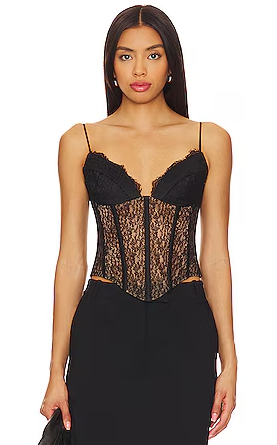
Style suggestion: A black lace-trim corset can sculpt your figure while highlighting natural curves elegantly.

5. Materials and Care: Extending Longevity
The comfort of a corset or black lace-trim corset also depends on fabric and care:
Breathable materials: Cotton, mesh, or blends with elastane reduce heat and sweat.
Flexible boning: Steel or plastic bones should be evenly distributed to support back and waist without poking.
Washing: Hand wash only, avoid machine washing to prevent deformation, dry flat to maintain shape.
Regular inspection: Check fasteners and bones for wear and tear; repair or replace as needed.
6. Summary: Scientific Shaping, Confident Curves
A black corset is not magic, nor does “tighter mean better.” Scientific wear, suitable materials, gradual adaptation, plus core training and good posture, are the keys to an ideal silhouette.
Comfort first → Avoid affecting breathing and circulation
Curve management → Natural proportions are more beautiful than extreme numbers
Gradual wear → Let your body adapt over time
Lifestyle integration → Core training and healthy habits enhance shaping
A black lace-trim corset can be a statement piece, boosting confidence, improving posture, and adding elegance to your outfit.
Remember: a black corset is a tool for shaping and styling, but health, confidence, and comfort come first. Wear it correctly, and you can elegantly showcase your curves every day.