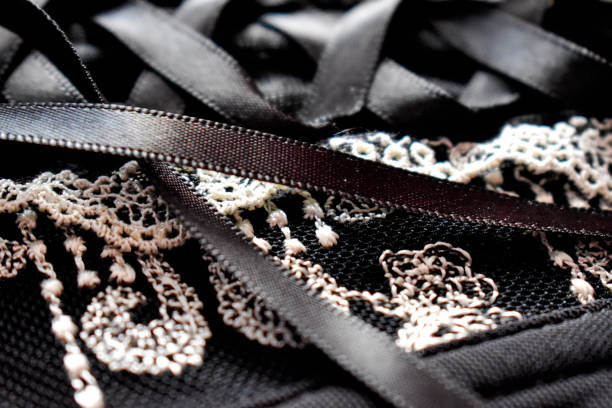
wardrobe butWith the fusion of modern fashion and body shaping, the black corset is no longer just a historical relic of the Victorian era. Today, it’s not only a styling item in your wardrobe, but also a shaping tool and a source of psychological support. Once you get used to the corset’s waist-cinching effect and support, you might find that the first thing you do every morning is put it on. So, the question arises—can you really stop wearing corsets?
This article will delve into the allure and dependence of corsets, exploring their appeal from fashion trends and physiological responses to psychological dependence and health impacts, as well as providing practical styling advice and training techniques to help you maintain your beauty while protecting your physical and mental health.
Table of Contents
I. The Modern Value and Psychological Dependence of Black Corset
1. The Interweaving of History and Modernity
The history of corsets dates back hundreds of years. In the 19th century, tightlacing was a symbol of social status and aesthetics; the smaller the waist, the higher the social standing. Modern fashion has given corsets a new role—not just shaping the body, but also making them a visual focal point and a styling tool.
constraint butThe modern black corset can be worn alone or layered, paired with shirts, jeans, or skirts to add depth to everyday outfits. It’s no longer a constraint, but a tool for cultivating confidence and style.
a corsetInteresting observation: Many people who try corset for the first time exclaim that “the waistline is instantly raised.” This immediately visible change is addictive and is the beginning of a dependency mentality.
2. Psychological mechanisms of dependence
Psychological research shows that corset dependence stems not only from visual gratification but also from social feedback—praise, attention, and self-affirmation. This positive cycle creates a sense of “loss” when you take off your corset.
a corsetIn other words, relying on corset is a dual experience of body and mind: it makes you look more beautiful and feel more confident.
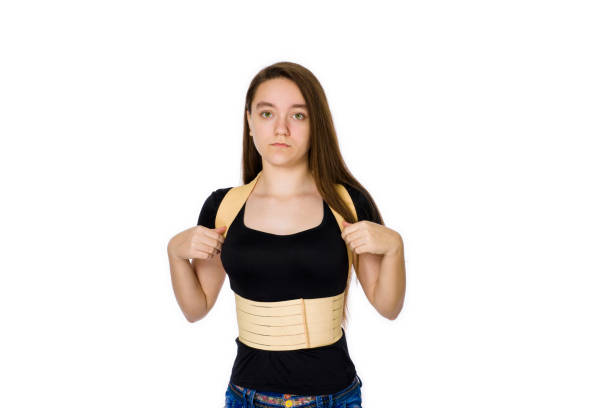
II. Physical Dependence: Temporary Shaping and Long-Term Effects
1. Temporary shaping vs. permanent alteration
Many people mistakenly believe that corsets can permanently tighten the waist, but scientific evidence shows that corsets provide a short-term visual effect, not a permanent change in bone structure. Once removed, the body returns to its natural state.
People who try corsets for the first time often feel that their waist is suddenly empty. This is not because they have gained weight, but because their body has gotten used to the feeling of external support.
2. Core muscle response
Long-term reliance on black corsets may weaken abdominal and back muscles because it subtly replaces some of their support function. This can lead to:
- My lower back ached when I took off the black corset.
- Decreased core muscle strength
- Difficulty maintaining posture
The good news is that this dependency can be reversed through core training.
III. Health Impacts: Respiratory, Digestive, and Visceral Stress
1. Breathing restriction
A tight corset compresses the chest cavity, preventing the lungs from fully expanding and resulting in shallow, short breaths. Prolonged wear may cause:
- Mild hypoxia
- Dizziness, fatigue
- Difficulty breathing during activity
Tip: Choosing a black corset with elastic material and adjustable straps can significantly relieve breathing pressure.
2. Effects on the digestive system
Compression of the abdomen may restrict gastrointestinal motility, leading to:
- indigestion
- bloating or constipation
- Postprandial discomfort
Many people experience abdominal discomfort, especially before spring activities or going out, if they immediately put on a tight corset. The solution is to wear it 30–60 minutes before meals or choose a loose, elastic style.
3. Internal organs are compressed.
tightness andWearing an overly tight corset for an extended period may slightly alter the position of internal organs, but this is mostly reversible. The key is to avoid prolonged periods of extreme tightness, and do not force yourself to wear it when you are feeling unwell.
IV. Psychological Dependence: The Dual Support of Self-Confidence and Image
Psychological dependence is often more insidious than physical dependence. Many people wear black corsets because:
- Sculpt your ideal waistline
- Boost self-confidence
- Receive praise from others
Over time, the black corset has become more than just a garment; it’s also a tool for psychological support. When people stop wearing it, they may feel insecure or afraid that they don’t look good enough.
It’s like makeup or hairspray: the essence remains the same, but the external feedback makes you feel confident.
5. Can you really stop wearing black corsets?
1. Methods to alleviate physical dependence
If your core muscles are weak, you may experience discomfort if you suddenly stop wearing them. Recommendation:
- Gradually reduce wearing time: 6 hours → 4 hours → 2 hours per day
- Core training: Plank, back extension, deep breathing
- Maintain proper posture: Do not rely entirely on the corset to maintain an upright position.
2. Adjusting psychological dependence
Psychological dependence can be reduced through cognitive regulation:
- Realizing that corsets are merely a visual and psychological support
- Try going out for a short time without wearing a corset.
- Develop other sources of confidence, such as clothing or exercise.
Quick exercise: Go out wearing only high-waisted pants and a jacket, feel your natural posture, and you’ll find that confidence doesn’t entirely depend on a black corset.
VI. Scientific Methods for Gradually Weaning Off Corset
1. Shorten the wearing time
- Week 1: Reduce by 1–2 hours per day
- Week 2: Wear only when going out or on special occasions
- Week 3: Wear only when needed for photoshoots or body shaping.
2. Core muscle training
- Plank exercise: Strengthen your core (abdomen and back)
- Back stretching: Improves posture and flexibility
- Deep breathing exercises promote core activation and smooth breathing.
3. Choose a suitable black corset
- Adjustable straps for flexible tightness
- Elastic or breathable fabric, comfortable and durable.
- Fitted design, not extremely tight
Even if you occasionally rely on a corset, you can still maintain health and comfort.

VII. Wearing Scenarios and Practical Techniques
1. Daily outings
- Black corset + high-waisted jeans + sneakers
- You can wear a light trench coat or cardigan over it.
- Choose simple accessories to make the waistline the focal point.
2. Office or light business settings
- Black corset + straight-leg pants or pencil skirt
- You can add a suit jacket or a cardigan as an outer layer.
- Small jewelry enhances a sense of sophistication.
3. Parties or nighttime gatherings
- Black corset and skirt or leather pants
- High heels or ankle boots enhance your presence.
- Pair with a brightly colored bag or statement earrings
Tip: Combining different materials and layers can transform a black corset from a “shaping tool” into a “fashion weapon.”
8. FAQ: Dependencies related to Black Corset
Q1: Will wearing corsets permanently deform my body?
A1: No, it won’t permanently deform your body; it only provides short-term shaping. Your body will return to its natural state after you take it off.
Q2: Will stopping wearing corsets make my waist thicker?
A2: No, it won’t make it “thicker”; it will just restore your natural waistline. Core muscle training can maintain your posture.
Q3: How long should I wear it each day for safety?
A3: Beginners: 2–4 hours; intermediate wearers: 4–6 hours; please take breaks.
Q4: How to reduce psychological dependence?
A4: Gradually shorten the wearing time, try a natural posture, and find other sources of confidence.
Q5: Can I wear it for exercise or travel?
A5: It is not recommended to wear it for strenuous exercise. For light activities, choose an elastic style. When traveling, pay attention to breathability and comfort.
IX. Conclusion: Choose freedom, not dependence
Black corsets are a combination of fashion and function; they can enhance the waistline, improve posture, and boost confidence, but they shouldn’t become an indispensable necessity in life. Through proper wearing, core training, and mental adjustment, you can make a black corset a “good friend” in your wardrobe, rather than an indispensable support tool.
Stopping dependence doesn’t mean giving up on beauty, but rather giving your body and mind more freedom, allowing you to maintain health and comfort while pursuing fashion.