
Corsets may seem like they exist solely to create curves, but they actually carry a wealth of cultural and aesthetic meaning.
The way the East and West view and use corsets differs greatly—not just for appearance, but also reflecting social status, history, and identity concepts.
1. Western Corsets: Symbols of Power and Elegance
In Europe, corsets date back to the 16th century. Back then, noblewomen tightened their waists to create an hourglass figure, showcasing both status and elegance.
A slim waist was seen as a sign of refinement and sophistication.
Expensive fabrics and intricate corsetry often indicated higher social standing.
Corsets weren’t just clothing—they were tools for participating in social occasions and demonstrating proper etiquette.
In the West, corsets served as a “social language”: the way you wore it and how tight it was communicated social information.
2. Eastern Corsets: Subtlety and Identity Expression
In Eastern cultures, corset-like garments emphasize subtlety and ceremony. Examples include ancient Chinese waistbinding clothing, cheongsams, or the waist designs of kimonos:
Aesthetic subtlety: Focus on natural elegance and body proportions rather than simply compressing curves.
Status and identity: Garments reflect social class, rituals, marriage, and societal roles.
Comfort and mobility: Eastern corsets balance daily activities with posture, embodying “beauty in motion.”
Compared with the West, Eastern corsets express beauty more subtly, emphasizing restraint and symbolic identity rather than visual impact.
3. From Restriction to Freedom: Modern Corset Evolution
Today, corsets are no longer just tools to cinch the waist. Across cultures, fashion has shifted toward comfort and functionality:
Combining fitness and shaping: Sport corsets and shapewear blend aesthetics with health.
Material and design innovation: Stretch fabrics, breathable mesh, and adjustable clasps make corsets more flexible.
Personal expression: Modern women use corsets to showcase style, not merely follow social etiquette.
Modern corset philosophy is about “beauty + self”: breaking traditional constraints, giving the wearer control over body and styling.
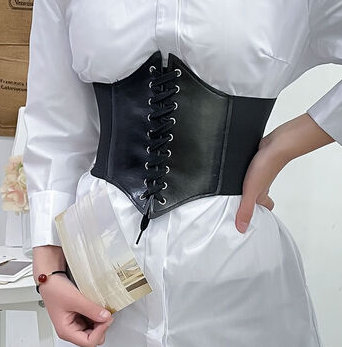
For those interested, a black corset with fishbone structure blends vintage elegance with modern shaping design, highlighting your ideal figure.

4. Philosophical Considerations When Wearing a Corset
Wearing a corset is a lifestyle attitude and aesthetic philosophy:
Body and confidence: Shaping curves not only enhances appearance but also boosts self-assurance.
Cultural awareness: Understanding the cultural story behind corsets adds depth to your style.
Comfort and etiquette balance: Modern corsets prioritize health, comfort, and aesthetics; you don’t need to chase an extremely tiny waist.
Self-expression: Depending on occasion and outfit, corsets become tools for showcasing personality and taste.
In short, wearing a corset is a philosophy of “inner and outer harmony”: outwardly elegant lines, inwardly confident mindset.
5.How to wear a black corset?
Many first-time corset wearers feel “uncomfortable,” but a few tips make it manageable:
① Find the Right Size
Too small compresses chest and waist; too large loses shaping effect.
Measure bust, waist, and upper chest, then select a size that fits your curves.
② Adjust Laces or Clasps
Black corsets typically have front hooks or back laces.
Gradually tighten from loose to snug, letting your body adapt to the tension.
③ Pair with Inner or Outer Layers
Inner layer: lightweight undershirt for comfort.
Outer layer: blazer, shirt, or coat; shows curves while keeping everyday wear flexibility.
④ Maintain Proper Posture
Shoulders relaxed, back straight.
Avoid over-arching or leaning forward; it’s neither flattering nor comfortable.
6. Tips for Balancing Comfort and Style in Modern Corsets
Choose the right material: Stretchy fabrics are more comfortable for prolonged wear.
Mind the waistline height: Don’t compress excessively; find a natural curve.
Layer creatively: Corsets can be innerwear or outerwear to enhance outfit depth.
Consider daily activity: Walking, sitting, or light movement should remain comfortable.
Modern corsets aren’t just visual tools—they’re “body-aware” designs. A black corset with fishbone structure is not only a fashion piece but also a versatile wardrobe essential, accentuating curves, supporting the chest, and adding a touch of vintage charm to any outfit.
Conclusion
Corsets are more than just beautiful—they embody a dressing philosophy across cultures:
Western: emphasizes visible elegance and social status.
Eastern: highlights subtlety, restraint, and ceremonial aesthetics.
Modern: balances comfort, function, and personal expression.
Wearing a corset reflects aesthetic judgment, cultural awareness, and self-confidence. No matter the style you choose, the philosophy of corset-wearing is to harmonize body, culture, and personal belief. Understanding this, beauty becomes more than external—it’s a lifestyle.