
In fashion circles, the black corset has always been a mysterious object. It’s both a symbol of strength and an extension of elegance—slim lines, shimmering material, and impeccable cut. But precisely because of its unique structure and texture, many people notice after a few wears: the fabric wrinkles, the color fades , the stretch loosens… The original feeling of “upright confidence” gradually becomes “constrained and deformed.”
In fact, most of the problems lie in the way you wash and care for your black tights. If you wash them properly, you can wear them for another year.
Don’t rush to throw it into the washing machine: understanding the material is the first step
Many people’s first reaction is “machine washable,” but corsets are definitely not suitable. Especially those with PU leather stitching, metal eyelets, and lace-up structures . The more exquisite the details of the black corset, the more afraid of mechanical friction it is.
PU leather part : Machine washing may cause the surface to peel and crack.
Stretch fabric : Excessive agitation will break the fibers and affect the elasticity.
Metal eyelets and hooks: They can easily scratch other clothing and even rust.
The right way: Hand washing is always the best option.
Gently scrub with cold water or water warmer than 30°C to preserve the material’s toughness and shine. Don’t be bothered; this step is key to extending its lifespan.
Choosing a “gentle” detergent: a balance between color protection and stain removal
Black fabrics are most prone to fading, and black corsets typically employ multi-layer dyeing processes.
You’ll need a neutral detergent that’s free of fluorescent light and bleach.
You can clean it like this:
Put warm water (about 30°C) in a basin;
Add a few drops of neutral detergent.
Stir gently to create foam.
Soak the corset for no more than 5 minutes.
color separation or whitening of the leather on your corset.
If you’re dealing with leather seams, wipe them with a slightly damp soft cloth and then blot them with a dry cloth.
Tip: Some people add a little fabric softener to the final rinse to help the corset sit smoother and fit snugly after drying.

Don’t wring it out after washing! The correct way to dry it is the key
Corsets are most fragile when wet. Wringing them out or folding them to dry can cause uneven stress on the boning and seams, leading to permanent deformation.
The correct approach is as follows:
Gently press with a dry towel to absorb water.
Lay flat in a ventilated, cool place to dry (avoid direct sunlight).
Do not hang from a hanger, as the weight will pull on the straps or underwire.
If you want it to dry faster, you can place it in front of a fan to dry it. Remember not to use a dryer or expose it to direct sunlight—sunlight can oxidize the leather and discolor the fabric.
Regular maintenance: keep black from getting dull
Black clothing, like skin, needs moisturizing.
After every 3-5 wears, gently wipe away any dust with a soft cloth. If it’s made of PU leather, apply a little leather conditioner (or baby oil) evenly to enhance its shine and prevent cracking.
Also, when folding and storing your corset, remember:
Tissue or cloth in the crease to prevent pressure. Avoid storing with metal jewelry to prevent scratches. When not wearing for an extended period, store in a breathable bag away from moisture and sunlight.
These details determine whether it will still feel as good as new when worn in the future.
Cleaning frequency: more often is not better
Many people mistakenly believe that they need to be washed after wearing them once, but this can actually cause the material to fatigue. If you wear a corset close to your body but don’t sweat a lot (especially indoors or when wearing an inner layer), it’s recommended to:
Light wear (a few hours) → wash every 5 times;
Intensive use (stage/shooting) → Clean after every 1-2 times;
PU patchwork style → Mainly “wipe instead of wash.”
Only moderate cleaning and careful maintenance can truly extend the lifespan .
Why are black corsets harder to maintain than other colors?
Black absorbs heat, appears gray, and oxidizes easily.
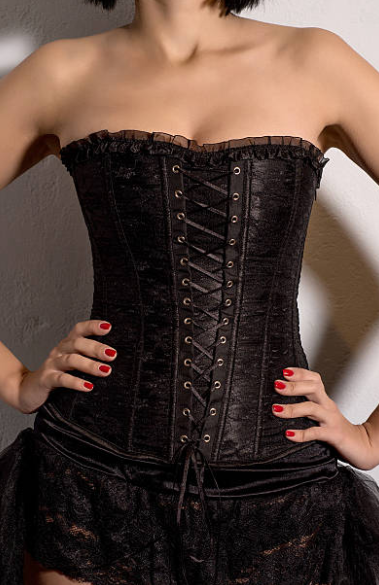
Especially when paired with a black corset with animal print PU leather & eyelet lace-up front—the dye and sheen beneath that texture are so delicate that heat, friction, and strong alkaline detergents can all degrade it.
More than just a fashion statement, it’s a versatile wardrobe essential that accentuates your curves, boosts your confidence, and adds a bold, exotic touch to your look.
This is why many fashion bloggers emphasize when recommending corsets: “Don’t be afraid of trouble. The more gently you wash it, the longer it will last. “
Just like the temperament of black, it needs to be cared for to maintain its mystery and depth.
Can corsets be washed in a washing machine?
Not recommended.
Even on the gentlest cycle, the tumbling and dehydrating forces of a washing machine can still cause the inner support bars of a corset to shift and the outer layer to wrinkle. Especially for styles with eyelets , laces, and PU panels , the metal parts can be damaged by friction and even rust.
If you really want to use a washing machine, be sure to:
Use protective wash bags;
Choose cold water soft wash;
Cancel the dehydration program;
Lay flat to dry immediately after washing.
So, your best option is still hand washing and spot wiping. This is the only way to keep your black corset “fitting like new.”
Summary : Maintenance is a ritual that continues elegance
The black corset is so captivating because it accurately outlines the body and its confident lines .
And the maintenance process is actually a kind of “gentle self-talk”—with every moment of washing, drying, and wiping, you are keeping that power alive.
So, don’t let hasty cleaning ruin your fashion soul.
Starting today, pick up that black corset with animal print PU leather & eyelet lace-up front , and rediscover and cherish it.
Let every time you wear it, it feel like the first time—upright, radiant, and powerful.