
When people hear the word corset, the first things that usually come to mind are “sexy,” “hourglass curves,” and “vintage elegance.” Sure, those labels aren’t wrong. But if you’ve ever tried a cheap, poorly made corset, you probably also know what it feels like to be “squeezed too tightly,” “unable to breathe,” or “stabbed by stiff boning every time you move.”
The truth is, what really matters in a corset isn’t just the look—it’s the craftsmanship. That’s what decides whether wearing one feels empowering or unbearable.
The Essence of a Corset: More Than Fashion, It’s an Experience
From history to today
Corsets were once everyday essentials for aristocratic women, sculpting the waist and improving posture. Over time, they evolved into a statement of fashion and self-expression. But one thing never changed: a good corset must look stunning and feel comfortable.
The surface vs. the structure
Cheap corsets often focus only on the outside appearance, ignoring support, fabric breathability, and ergonomics. They may look fine for five minutes, but wearing them longer quickly becomes torture.
Why craftsmanship is everything
It’s like high heels—no matter how pretty they look, without proper structure and materials, they’re just pain traps. Corsets are no different: good craftsmanship is the line between beauty and suffering.
What Makes a Corset Comfortable? Craftsmanship Details That Matter
1. Fabric choice: the balance of breathability and stretch
Low-quality corsets: Often made of synthetic fibers that look shiny but feel suffocating—sticky in summer, stiff in winter.
High-quality corsets: Use cotton-linen blends, silk, or elastic-rich fabrics that hug the body while letting the skin breathe.
Tip: Try taking a deep breath when you try it on—if your chest feels restricted, the fabric or pattern is poorly designed.
2. Boning structure: support, not suffocation
Cheap corsets: Use plastic boning—rigid, brittle, and uncomfortable.
Premium corsets: Use steel or alloy boning, but refined to be flexible, so they move naturally with your body.
The difference: Good boning “supports your shape,” not “forces you into a cage.”
3. Stitching & pattern design: the invisible skill
Rough stitching: Exposed seams that dig into the skin, leaving red marks after a few hours.
Fine craftsmanship: Smooth seams, soft lining, and panels that hug curves without pinching.
Pattern fit: Custom-fit corsets distribute pressure evenly, avoiding painful pressure points.
4. Adjustment system: flexibility and durability
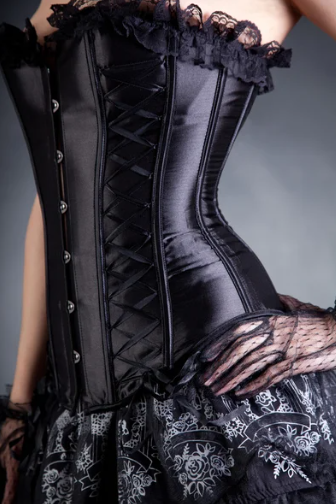
Classic lacing at the back is iconic, but quality makes the difference. Good corsets lace smoothly, hold firmly, and won’t loosen on their own.
Better designs often combine side zippers with back lacing—easy to wear yet keeping the traditional beauty.
How to Tell If a Corset Is Comfortable
Can you breathe naturally? A good corset improves posture but doesn’t steal your air.
Can you sit and walk normally? If you can only stand still for photos, it’s not well-made.
How does it feel on your skin? Quality linings prevent chafing and irritation.
Does it “squeeze out flesh”? Visible bulges around the waist or underarms mean poor design.
The Charm of the Black Corset: Why Craftsmanship Matters Even More
The black corset is the most timeless, versatile style. From gothic elegance and evening glam to casual streetwear, it fits almost every vibe. But to truly enjoy wearing it, craftsmanship is key.
Black highlights flaws: Poorly made corsets show creases and bulges more clearly.
High frequency of wear: A black corset is a wardrobe staple—if it’s uncomfortable, it’ll quickly end up in storage.
Durability matters: Black fabrics fade and wear easily; only well-made corsets stay structured and elegant.
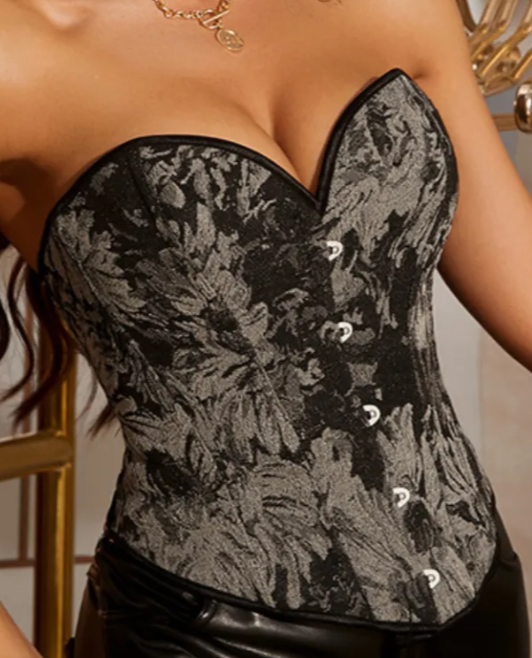
That’s why a black corset inspired by monet art inspired by Monet’s art is so special. It combines function, comfort, and aesthetics. More than shapewear, it’s like wearing artistic armor—elegant, powerful, and unique.
Beyond Fashion: The Lifestyle Behind Craftsmanship
A statement of attitude
Choosing a well-crafted corset means choosing elegance without compromise.
Health meets aesthetics
A good corset straightens posture, reduces slouching, and flatters the natural silhouette.
An identity marker
Knowing how to select quality corsets is itself a form of taste and self-expression.
What to wear over a black corset?
Many people ask: Black corsets look stunning, but how do you style them without looking out of place?
With a shirt: Layer over a crisp white shirt—sharp yet feminine.
With a blazer: A corset under a tailored jacket balances structure with edge.
With high-waist pants or skirts: Accentuates the waist and elongates proportions.
For evening looks: Pair with a long skirt for maximum drama.
For casual wear: Jeans + corset = effortless chic with a hint of boldness.
The black corset’s magic is its versatility—it can be elegant, edgy, or casual, depending on how you style it.
Hidden Advantages of the Black Corset
Slimming effect: Dark tones naturally refine the silhouette.
Works with every skin tone: Black flatters universally.
Elevated aura: Carries mystery and sophistication without needing much accessorizing.
Practical durability: Easier to maintain than lighter shades.
Handcrafted vs. Machine-Made Corsets — Who Should Choose What?
Handcrafted corsets are for:
Those who want maximum comfort.
People who plan to wear corsets for long periods.
Anyone whose body proportions don’t fit standard sizing.
Those seeking a unique, personalized piece.
Machine-made corsets are for:
Beginners trying corsets for the first time.
Budget-conscious buyers.
People who only wear corsets occasionally (e.g., parties, photoshoots).
Those less concerned about perfect fit.
Final Thoughts: Craftsmanship Defines Whether You’ll Love a Corset
The allure of a corset is not just about looking “sexy.” It’s about the blend of artistry and craftsmanship shaping how you experience it.
A black corset can make you stand taller, feel more confident, and serve as the most versatile piece in your wardrobe. A handcrafted, black corset inspired by monet art is more than fashion—it’s wearable art, balancing comfort and elegance.
So next time you ask, “What should I wear with a black corset?”, remember: it’s not about limits. A true corset can have a conversation with any style.
Not all corsets are the same—the real difference lies in craftsmanship, and in the attitude you choose when wearing it.