
When it comes to corsets, many people’s first thought might be, “If I wear this, I’ll instantly be slimmer.” In reality, this kind of thinking can easily turn a fashion item into a weight-loss tool in your mind. Today, let’s dive into the real secret of corsets, the difference between shaping and slimming, and how to choose them wisely so you can look great while staying comfortable.
What Exactly Is a Corset? Fashion Item or Weight-Loss Magic?
A corset, also called a body shaper, hugs your body tightly and highlights your curves. Many people notice an instant “slimmer waist, perkier bust, lifted hips” effect—like they’ve lost a few pounds. But here’s the truth: corsets are for shaping, not fat loss.
Shaping works, but it’s temporary
Corsets create curves through compression, but once you take them off, your body returns to its natural shape. Think of them as a temporary sculpture that adjusts your posture and silhouette without burning calories.
Corsets can improve posture
Wearing a properly fitted corset for a period of time supports the waist and abdomen, naturally encouraging you to stand tall and engage your core. Over time, this can help correct slouching or loose posture.
Don’t expect miracles for weight loss
Corsets won’t replace exercise or healthy eating. They do not burn fat or make it disappear. Real slimming comes from a healthy lifestyle.
Shaping vs. Slimming: Don’t Confuse the Two
Many people equate a smaller waist with being “slim,” but shaping and weight loss are two different things:
Shaping
Works externally through garment design and structure.
Creates a visually improved body silhouette.
Ideal for short-term occasions like formal events, dates, or photoshoots.
Slimming
Works internally by burning fat or reducing body weight.
Requires exercise, diet control, and habit changes.
Long-lasting results need consistent effort.
Key takeaway: Corsets can shape, but they cannot replace real weight loss. Expecting permanent waist reduction from a corset is a beauty misconception.
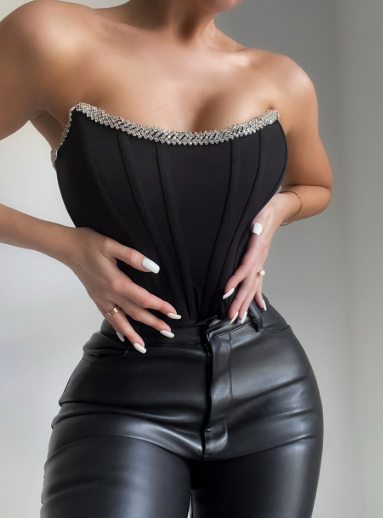
Types of Corsets: Choosing the Right One for Comfort
The market offers a variety of corsets with different materials and designs. Choosing the right one is crucial for comfort and effectiveness.
Traditional Lace-Up Corsets
Adjustable laces allow you to tighten the waist.
Pros: Strong shaping effect, clear waistline.
Cons: Hard to wear outside, tricky to put on/off, may be uncomfortable for daily use.
Modern Seamless Shapewear
Stretchy fabric, seamless design, fits like a second skin.
Pros: Easy to wear, breathable, can be worn as outerwear.
Cons: Light compression, less dramatic shaping.
High-Waist / Mid-Waist / Low-Waist Designs
High-waist: Shapes waist and abdomen, ideal for dresses or tight outfits.
Mid-waist: Comfortable for everyday wear, light compression.
Low-waist: Focuses on hip contour, less abdominal support.
Tip: For daily wear, choose seamless high-waist styles for comfort and subtle shaping. For special occasions, traditional lace-up styles provide a more dramatic visual effect.
How to wear black corset top
Choosing the right corset is just the first step; proper wearing is essential for comfort and effectiveness:
Pick the Right Size
Too small: Restricts breathing, causes back pain, affects circulation.
Too large: Minimal shaping effect, defeats the purpose.
Gradual Wearing
Beginners: Wear 1–2 hours a day, gradually increasing duration.
Avoid wearing all day at first to prevent discomfort.
Posture Matters
Keep your chest lifted, abdomen engaged, and posture upright while sitting or standing.
The corset naturally reminds you to maintain good posture, which can gradually improve slouching habits.
Pair with Clothing for Style
Tight dresses: Show off waist and hip curves.
High-waist pants or jeans: Shaping plus fashion.
Jackets or outerwear: Hide the corset silhouette for daily wear.
A black corset with bust support & back lace up, inspired by Victorian fashion, is perfect for waist training, special events, or adding a touch of vintage charm to your everyday outfits.
Common Misconceptions and Safety Tips
Misconception 1: The tighter, the better
Too tight can affect breathing, digestion, and long-term spine health. Moderate compression is sufficient.
Misconception 2: Corsets replace exercise
Shaping is visual only. Sustainable slimming requires exercise and diet.
Misconception 3: Expensive equals better
Price doesn’t guarantee comfort or shaping. Material quality, fit, and design matter more.
Safety Tips
Choose breathable fabrics to avoid overheating.
Don’t wear during exercise or sleep.
Clean and replace regularly for hygiene and comfort.
Corsets and Confidence: Beyond Curves
The true value of a corset goes beyond “losing a few inches”:
Instant silhouette improvement: Stand tall and enjoy a defined waistline.
Psychological boost: Feeling supported encourages better posture and confidence.
Fashion expression: Modern corsets can be worn as outerwear, becoming part of your style statement.
Corsets are both a shaping tool and a form of self-expression, letting you feel confident and poised.
Future Trends in Corsets
Material Upgrades: Lightweight, breathable fibers with elastic support.
Multi-Function Design: Shaping + posture correction + stylish outerwear.
Smart Fabrics: Integrated tech to monitor posture and pressure points.
Customization: Tailored to your body and proportions, with varied colors and styles for fashion versatility.
Corsets are evolving from single-function shapewear into multifunctional, stylish, and comfortable pieces.

Conclusion: Corsets Are Beauty Allies, Not Weight-Loss Tools
The magic of corsets lies in shaping, not slimming. They provide a temporary visual boost, correct posture, and enhance confidence, but they are not a substitute for fat loss.
Choose the right style and size for your body.
Wear with correct posture for comfort and effectiveness.
Integrate into your wardrobe for style and confidence.
Try incorporating a black corset into your daily outfits as a fashion statement, not a weight-loss shortcut. You’ll feel comfortable, stylish, and confident every day.